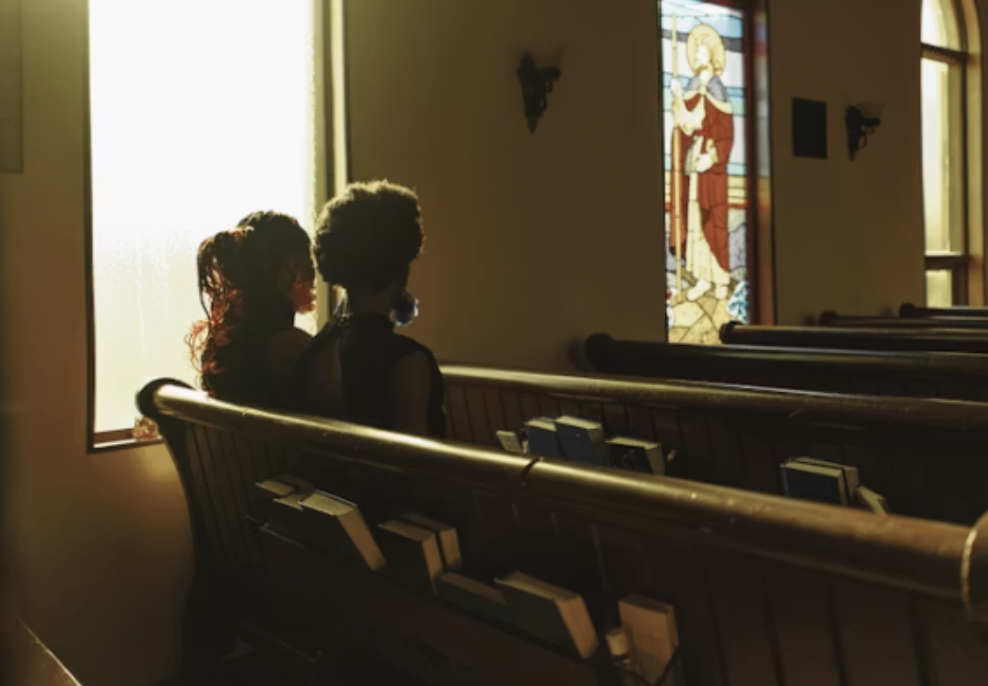
You sit in the pew on Sunday and notice the same faces week after week. The numbers on the attendance board barely move. You wonder what is holding things back, because the gospel has not lost its power. Hindrances to church growth rarely announce themselves with flashing lights. They creep in through small habits and overlooked attitudes until the whole body feels sluggish.
Pastors and members alike feel the weight. You pray for visitors who never return. You watch young families drift away after a few months. The issue is not that God has stopped working. Something inside the life of the church itself has become a barrier. Naming those barriers honestly is the first step toward removing them.
Unforgiveness and Lingering Division
One of the quickest ways a church stops growing is when old hurts stay buried in the fellowship. Someone feels slighted over a decision about the music or the youth budget, and instead of working it out they nurse the offense. Weeks turn into years. Visitors pick up the tension even if no one says a word out loud. Paul warned the Galatians that biting and devouring one another would end in destruction. That warning still applies.
Think about the small church in the Midwest that lost twelve families in one year. The root was a single elders meeting where two men raised their voices. No one followed up. The offense spread through phone calls and side conversations. New people sensed the coolness and stayed away. When the pastor finally called a season of repentance and asked everyone to speak directly to the person they held something against, several relationships were restored. Attendance began climbing again within three months. The hindrance was not external pressure. It was internal bitterness that needed to be named and released.
Scripture gives a clear path. Jesus told us in Matthew 18 to go to the brother who offended us in private first. Most churches skip that step and let gossip do the work instead. When leaders model quick, humble confession, the whole congregation learns the pattern. Growth returns because people feel safe again.
Neglect of Everyday Evangelism
Many churches teach the Great Commission yet practice it only through big events. The weekly rhythm never includes simple invitations. Members assume someone else will share their faith. Over time the church becomes a closed circle where the only new faces come through transfers or family connections. That pattern cannot sustain real growth.
Consider the difference in two congregations of similar size. One hands out five invitation cards every Sunday and prays over them during the closing. The other relies on the pastor to do all the outreach. After two years the first church had added forty-three new members through personal invitations. The second church stayed flat. The hindrance was not lack of desire. It was lack of a simple, repeatable tool that removed the fear of what to say.
Acts 2:47 says the Lord added daily those who were being saved. That happened because the early believers were together daily and shared the good news naturally. When your people carry a clear, low-pressure way to invite others, the daily addition begins again. TrueLife.org provides exactly that kind of tool so members do not have to invent the conversation on the spot.
Shallow Discipleship That Fizzles Out
Growth stalls when new believers never move past the first steps of faith. They pray a prayer, get baptized, and then sit in the same service for years without deeper roots. Soon they feel the same emptiness they knew before they came to Christ. Many quietly stop attending.
Look at the pattern in Colossians 1:28. Paul said his goal was to present everyone mature in Christ. That takes intentional teaching and relationships, not just Sunday sermons. Churches that rely only on the pulpit watch people drift. Churches that add small groups, mentoring pairs, and simple study guides see new believers stay and bring others with them.
One practical hindrance shows up in the calendar. When Sunday school or small groups become optional or poorly led, discipleship dies. Leaders need to treat these gatherings as seriously as the main service. Provide clear curriculum, train facilitators, and check in on people who miss two weeks in a row. The extra effort removes the barrier of isolation that keeps new Christians from putting down roots.
Leadership That Avoids Hard Conversations
Pastors sometimes hesitate to address sin or direction because they fear losing people. The result is a slow drift where standards soften and vision blurs. Members sense the lack of courage and stop inviting their friends. No one wants to bring someone into a place that feels uncertain about its own convictions.
Hebrews 13:17 reminds us that leaders will give account for the souls under their care. That weight should produce both tenderness and firmness. When a pastor lovingly corrects a pattern of gossip or gently redirects the church back to clear biblical priorities, the congregation gains confidence. Visitors notice the difference and return.
Real examples help. A church in the South had drifted into accepting any lifestyle without question. After the pastor preached a short series on holiness from 1 Peter, several long-time members left. Within eighteen months the church had replaced those families with twice as many new believers who wanted the truth taught plainly. The temporary dip gave way to steady growth once leadership faced the hard conversation.
Isolation From the Surrounding Community
Some churches become so focused on internal programs that they lose touch with the people living within five miles of the building. The neighborhood changes while the church stays the same. New residents never receive an invitation because members no longer cross paths with them in daily life.
Jesus ate with tax collectors and sinners. He did not wait for them to find the synagogue. When your church hosts a neighborhood block party, supports the local school, or simply encourages members to greet the same barista every morning, the wall of isolation begins to fall. Growth follows contact.
One concrete step is to keep a stack of simple invitation cards in your car and wallet. When you meet someone new at work or at the youth soccer game, you have something ready that points them to answers about Jesus and an open door to your church. That small habit removes the hindrance of awkward silence and turns ordinary moments into gospel opportunities.
If you are a pastor watching these barriers in your own congregation, visit TrueLife.org/Pastors and watch the short video that shows how to equip your people with low-pressure invitation tools. If you are a church member, send that same link to your pastor and ask him to consider it. You can also grab the free cards right from the menu bar and start using them this week. The gospel still changes lives when nothing stands in the way of sharing it.