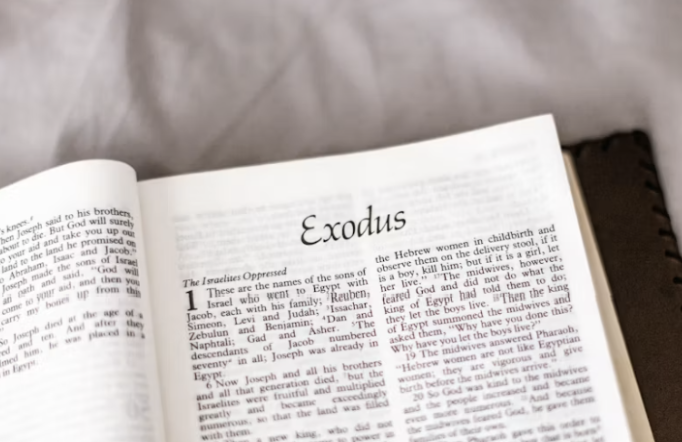
You open your Bible and land on Exodus, wondering what it all really means for you right now. The story of Israel leaving Egypt feels ancient, but the themes of rescue, struggle, and promise hit close to home when life feels stuck or overwhelming.
Exodus meaning centers on God stepping into human bondage and leading people out. He hears cries, acts with power, and forms a relationship that lasts. That same God still works today, inviting you into freedom that starts now and lasts forever.
Let's walk through the book together, looking at its history, its heart, and how it points straight to Jesus. Along the way you'll see concrete evidence that this account stands on solid ground, not just wishful thinking.
The Name and Its Core Message
The word Exodus comes from a Greek term meaning departure or exit. In Hebrew the book opens with the simple phrase these are the names, yet the whole narrative builds around one great leaving. God calls His people out of Egypt so they can know Him as their deliverer and live as His own.
That departure carries layers. It marks the end of four hundred years of slavery and the start of a journey toward a land promised long before. The name itself reminds every reader that God finishes what He starts. He does not leave people in chains when they cry out to Him.
Think about your own exits. Maybe you need to leave an old habit, a broken pattern, or a heavy load of guilt. Exodus shows that God leads those steps. He does not just point the way; He walks with you through every desert stretch that follows.
The meaning grows richer when you notice how the book ends. Israel reaches Mount Sinai, receives the law, and builds the tabernacle. God moves from outside their camp to right in their midst. The departure leads to presence. That pattern still holds for anyone who follows Him out of whatever Egypt holds them.
Real History Backed by Evidence
Exodus is not a fable. It records specific places, rulers, and events that line up with what we find outside the Bible. One striking piece comes from the Merneptah Stele, an Egyptian monument dated around 1209 BC. It mentions Israel as a people already living in Canaan, which fits the timeline after the Exodus and wilderness years.
Archaeologists have also uncovered evidence of Semitic slaves in Egypt during the period the Bible describes. Records show foreign workers building store cities like Pithom and Raamses, the very locations Exodus 1 names. The sudden disappearance of these workers matches the biblical account of a mass departure.
Scientific data adds another layer. Sediment studies around the Nile delta reveal periods of unusual climate stress that could explain the plagues as intensified natural events under God's control. Blood turning the river red, swarms of insects, and hail fit patterns seen in Egyptian records when conditions worsen.
Psychologically the story rings true too. People in long-term oppression often lose hope until one clear act of rescue breaks the cycle. Exodus captures that exact shift. The people move from despair to trust, then stumble when trust gets tested. That pattern shows up in modern recovery studies as well. Real change requires both external deliverance and internal renewal.
These details matter because they turn Exodus from a nice story into a reliable foundation. When the Bible gets the small facts right, its bigger claims about God deserve a hearing.
Key Events That Reveal God's Character
The burning bush meeting changes everything for Moses and for us. God reveals His name as I AM, the one who exists on His own terms and keeps every promise. He sends Moses back to Pharaoh with a simple demand: let my people go so they may serve me.
Ten plagues follow, each one striking at an Egyptian god. The Nile turns to blood, frogs cover the land, darkness falls at midday. Through it all God shows He alone controls creation. The final plague, the death of the firstborn, leads to the Passover meal. Blood on the doorposts protects every household that trusts God's word.
The Red Sea crossing stands as the dramatic rescue moment. Walls of water open, Israel walks through on dry ground, and the Egyptian army is swept away. That event becomes the anchor memory for generations. Psalm 77 and 78 both retell it to remind people that the same God still leads.
After the sea comes the wilderness. Manna falls each morning, water flows from rock, and God teaches dependence. The people complain, yet He provides. Those chapters show that freedom does not mean instant comfort. It means learning to trust the one who brought you out.
Practical Lessons You Can Live Today
Exodus gives clear instructions for real life. The Ten Commandments start with loyalty to God and move into how we treat one another. Honor parents, protect life, keep marriage pure, tell the truth. These rules still shape healthy families and communities when followed.
The Sabbath command stands out. One day in seven for rest and worship. Modern research on burnout and mental health confirms that regular rest improves focus, relationships, and even physical health. God built that rhythm into creation because He knows how we are made.
Another practical thread runs through the book: God cares about justice for the oppressed. He hears the cries of slaves and acts. When you see someone trapped today, whether by poverty, addiction, or abuse, Exodus pushes you to pray and move. Faith without action stays stuck in Egypt.
Personal application shows up in small choices. When anxiety rises, remember the manna story. God gave enough for each day. When relationships strain, look at how God forgave Israel's repeated grumbling. The meaning of Exodus keeps circling back to dependence on a deliverer who stays faithful even when we do not.
How Exodus Points Straight to Jesus
Jesus fulfills every major thread in Exodus. He is the true Passover Lamb whose blood covers sin so judgment passes over. John the Baptist calls Him the Lamb of God, and Paul writes that Christ our Passover has been sacrificed.
The wilderness manna finds its match in Jesus' words: I am the bread of life. The water from the rock points to the Spirit He gives. Even the tabernacle, where God dwelt with Israel, becomes a picture of Jesus who tabernacled among us and now lives in every believer.
Most important, the whole rescue story shows why we need a Savior. We cannot free ourselves from sin any more than Israel could walk out of Egypt without God. Jesus does what the law could not. He pays the price, rises from death, and leads us into new life.
If you have never trusted Him, the invitation stands open. Tell Him you believe He died for your sins and rose again. Ask Him to be your Lord and Savior. A simple prayer works: Dear Jesus, I believe you died for my sins and rose again. I confess you as my Lord and Savior. Please forgive me and come into my life. Amen.
That step moves you from slavery to sonship. The meaning of Exodus becomes your own story of deliverance.
Find a local church at TrueLife.org's Church Finder so you can grow with others who follow the same deliverer. If you already know Jesus, share this hope with free Gospel cards from TrueLife.org. People around you need the same rescue Israel found, and the same Savior who still sets captives free.