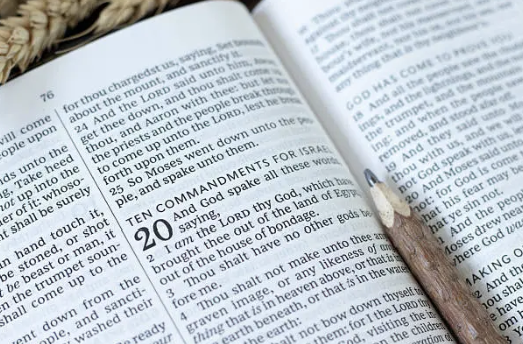
Life throws punches that leave you wondering where God is. You feel the weight of loss, betrayal, or chronic pain, and the questions pile up fast. The Bible does not dodge these moments. Instead it meets you right in them with honest words and a Savior who entered the same brokenness.
Over the next sections we will look at what Scripture actually says about suffering, walk through specific verses with real-life connections, and see how archaeology backs the reliability of those passages. You will also hear how Jesus turns our pain into purpose and how to live these truths out when the hurt does not let up.
What Scripture Teaches About Suffering
The Bible treats suffering as a normal part of living in a fallen world. Genesis 3 records the first sin and the immediate entrance of pain, toil, and death. From that point forward every page carries the tension between human rebellion and God's redemptive plan. Romans 8:22 describes creation itself groaning under the weight of that curse.
Yet the same Bible refuses to leave us in despair. James 1:2-4 tells believers to count trials as joy because they produce perseverance and maturity. That command only makes sense if God is sovereign over the pain and using it for good. Peter echoes the thought in 1 Peter 1:6-7, comparing suffering to a refiner's fire that proves genuine faith more precious than gold.
These passages do not promise escape from every hardship. They promise that God never wastes our tears. When you sit with someone who just received a cancer diagnosis or lost a child, these verses give language for both the ache and the hope that still remains.
Key Bible Verses About Suffering and Their Context
Psalm 34:18 states that the Lord is close to the brokenhearted. David wrote those words after pretending to be insane to escape death. He knew what it meant to hide in caves and wonder if morning would come. The verse carries the weight of real experience, not empty theory.
2 Corinthians 4:8-9 records Paul saying, "We are hard pressed on every side, but not crushed." Paul lists beatings, shipwrecks, and constant danger yet keeps preaching. His life shows the verse in action. When you read the surrounding chapters you see he was also dealing with a "thorn in the flesh" that God chose not to remove. The comfort came through grace, not removal of pain.
Romans 5:3-5 connects suffering to hope that does not put us to shame. Paul walks the logic: suffering produces perseverance, perseverance produces character, and character produces hope. That chain only holds because God's love has been poured into our hearts through the Holy Spirit. The verse gives a process, not a quick fix.
Archaeological Finds That Confirm These Accounts
The Tel Dan Stele, discovered in northern Israel in 1993, mentions the "House of David" and dates to the ninth century BC. It confirms that David was a real king who ruled during the time many of these suffering-filled psalms were written. Critics once claimed David was a myth. The stone inscription pushes back against that doubt and anchors the biblical story in actual history.
The same stele records military conflict and the death of kings, matching the kind of national and personal turmoil David describes in his prayers. When you hold a verse like Psalm 34 next to that artifact, the suffering stops feeling like ancient poetry and starts sounding like the diary of a man who lived through real battles and betrayals. Archaeology does not replace faith, but it removes the excuse that the Bible is just legend.
Other finds, such as the Dead Sea Scrolls containing Isaiah, show the same text we read today was preserved with remarkable accuracy centuries before Christ. The promises about God being near to the brokenhearted were not added later. They were already there, waiting for every generation that would need them.
How Jesus Enters Our Suffering
Jesus did not stay distant from pain. Isaiah 53:3 calls Him a man of sorrows acquainted with grief. He wept at Lazarus's tomb, sweat blood in Gethsemane, and cried out on the cross. The cross itself is the clearest answer to the question of suffering: God did not eliminate it from the world without first bearing it Himself.
Because Jesus rose from the dead, our suffering now carries an expiration date. Revelation 21:4 promises a day when every tear is wiped away and death itself is no more. That future hope changes how we carry present pain. We do not grieve as those without hope because the empty tomb guarantees restoration.
Salvation comes only through faith in this risen Christ. We cannot earn our way out of sin or suffering. Ephesians 2:8-9 makes it plain that grace, not works, saves us. When you trust Jesus as Lord and Savior, His Spirit moves in and begins the slow work of healing and purpose even while the circumstances remain hard.
Putting These Verses Into Daily Practice
Start by reading one verse aloud each morning and writing it on a card you keep in your pocket. When the wave of grief or anxiety rises, speak the verse out loud. The act of declaring truth interrupts the spiral of fear. Many believers keep a journal where they record the date, the verse, and one specific way they saw God's nearness that day.
Share your story with a trusted friend or small group. James 5:16 tells us to confess our struggles to one another so we can pray. Isolation multiplies pain. Community divides it. You might be surprised how many people in your church are walking through similar seasons and need the encouragement your honesty brings.
Finally, look for ways to comfort others with the comfort you have received. 2 Corinthians 1:4 describes this cycle: God comforts us so we can comfort others. Your story of clinging to Scripture in the dark becomes light for someone else who feels forgotten. That outward focus often brings the deepest healing.
If you do not yet know Jesus personally, today is the day to turn to Him. Pray something simple and honest: "Dear Jesus, I believe you died for my sins and rose again. I confess you as my Lord and Savior. Please forgive me and come into my life. Amen."
Find a local church at TrueLife.org's Church Finder to grow alongside other believers. If you are already a Christian, grab free Gospel cards from the TrueLife.org site and share these verses with someone who needs hope today. Matthew 28:19-20 still calls every follower to make disciples, and your words backed by real compassion can open the door to eternal life.