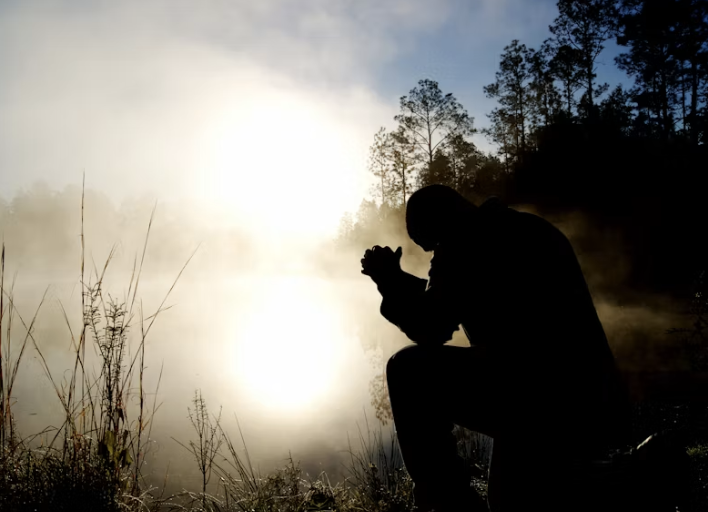
You open your Bible looking for something solid when everything around you feels shaky. Faith is not some vague feeling that comes and goes. It is the steady choice to believe God will do what He said, even when you cannot see how. The verses below have helped countless people move from fear to quiet confidence.
Many of us reach for these passages during hard seasons because they speak directly to real struggles. A parent waiting on a child's return, a friend facing a medical report, or someone who just lost a job all find the same truth repeated throughout Scripture: God honors those who trust Him. These words are not just poetry. They carry the weight of history and the promise of heaven.
What the Bible Means by Faith
Hebrews 11:1 gives the clearest starting point. It says faith is the assurance of things hoped for and the conviction of things not seen. That definition matters because it separates faith from wishful thinking. You are not pretending everything is fine. You are holding on to God's character when your circumstances look impossible.
James adds that faith without works is dead. He points to Abraham who believed God enough to leave his home and later to offer Isaac on the altar. Real faith shows up in how you treat people and how you spend your time. It is not a private idea that stays in your head. It moves your hands and feet.
Think about the last time you trusted someone with something important. You handed over the keys or the password because you knew their character. That same principle applies to God, only His record stretches back thousands of years and never fails. The Bible verses about faith keep bringing us back to this simple truth: trust grows when you remember who God has already proven to be.
Old Testament Stories That Show Faith in Action
Abraham left everything he knew because God told him to go to a land he had never seen. Genesis 12 records that step of obedience, and Hebrews 11 later calls it faith. Abraham did not have a map or a guarantee of safety. He had a promise from the God who created the stars.
David faced Goliath with a sling and five stones. First Samuel 17 shows a young shepherd who refused to let fear silence him. He remembered how God had already rescued him from lions and bears. That memory fueled his courage when everyone else ran.
Ruth stayed with her mother-in-law Naomi even though it meant leaving her own people and facing poverty. Ruth 1 captures her words of loyalty. She trusted that the God of Israel would provide, and He did through Boaz. These stories are not fairy tales. They show ordinary people who chose to believe God one day at a time, and their choices changed history.
Jesus and the Faith He Saw in Everyday People
The Gospels record several moments when Jesus stopped and pointed out someone's faith. In Mark 2, four friends lowered a paralyzed man through a roof. Jesus saw their faith and forgave the man's sins before healing his body. The friends did not wait for an invitation. They acted on what they believed Jesus could do.
The centurion in Matthew 8 understood authority. He told Jesus he did not need Him to come to his house. One word from Jesus would be enough. Jesus called that kind of trust greater than any He had found in Israel. The man went home to find his servant healed.
These encounters show that Jesus responds to faith wherever He finds it. He does not require perfect theology or years of church attendance. He responds to the person who says, "I believe You can do this." That same invitation stands open today.
Paul's Letters That Teach How Faith Works
Romans 10:17 says faith comes from hearing the word of Christ. Paul knew that belief does not grow in a vacuum. It grows when you keep the Bible in front of you and let it shape how you think. That is why regular reading matters more than occasional inspiration.
Ephesians 2:8-9 reminds us that salvation itself is a gift received by faith, not earned by effort. Paul repeats this truth because people naturally drift toward trying to earn God's favor. Faith keeps us from that trap. It keeps us dependent on grace alone.
Second Corinthians 5:7 says we walk by faith, not by sight. Paul wrote those words while facing prison and hardship. He did not deny the pain. He simply refused to let what he could see determine what he believed about God's love. That choice kept him steady when everything else fell apart.
Archaeology That Supports the Reliability of These Verses
The Dead Sea Scrolls give us concrete reason to trust the Bible we read today. Discovered in caves near Qumran, these manuscripts include a complete copy of Isaiah that dates back more than two thousand years. Scholars compared it to later copies and found almost no differences in the text. That level of consistency matters when you are staking your life on verses about faith.
These scrolls were written by hand on animal skin and stored in jars. They survived wars, weather, and time. The fact that Isaiah's words about trusting God remain unchanged shows the Bible was carefully preserved across centuries. You can open your copy and know you are reading the same promises the original readers held.
Archaeology does not replace faith. It removes one excuse for doubt. When you see how God protected His Word through history, it becomes easier to believe He will protect you through whatever you face next. The same God who kept Isaiah's scroll intact keeps His promises to you.
Putting These Verses Into Daily Life
Start with one verse each morning. Write it on a card or set it as your phone background. Read it out loud before you check anything else. That simple habit builds the muscle of faith over time.
When fear rises, ask yourself what God has already done. Abraham, David, and Ruth all looked back at God's past faithfulness before they stepped forward. You can do the same. List three specific ways God has come through for you. Then face the current problem with that record in mind.
Share what you are learning with someone else. Faith grows when it is spoken. Tell a friend one verse that encouraged you and why. That conversation may be the very thing they need to keep going. Faith was never meant to stay private.
Remember that growth takes time. Some days your trust will feel strong. Other days it will feel thin. God does not measure you by the strength of your feelings. He measures you by the object of your faith, which is Himself. Keep returning to His Word and you will find your confidence slowly but surely increasing.
If you want to keep growing in faith, connect with others who are walking the same road. Find a local church at TrueLife.org's Church Finder. If you already know Jesus, share these verses with someone who needs hope. You can get free Gospel cards from TrueLife.org's Free Cards section to help you start those conversations. The same God who inspired these verses about faith is still at work today, inviting you and the people around you to trust Him fully.